DYRK1A in type 2 diabetes (T2D): what’s known
1) Rationale: β-cell failure in T2D makes β-cell regeneration attractive
A major therapeutic idea in T2D is to increase functional pancreatic β-cell mass. Multiple groups have identified DYRK1A inhibition as a way to unlock adult human β-cell cell-cycle entry, a process that is normally very limited.
2) Key experimental evidence supporting DYRK1A as a target
- Harmine and DYRK1A/NFAT axis (foundational evidence) A high-throughput screen identified harmine analogs as human β-cell mitogens, and the study proposes DYRK1A as the likely target with NFAT transcription factors as mediators, with in vivo models showing increased β-cell proliferation, increased islet mass, and improved glycemic control 1.
- More robust proliferation via combination strategies (DYRK1A + TGFβ/SMAD pathway inhibition) DYRK1A inhibitors alone drive modest proliferation; combining DYRK1A inhibition with TGFβ superfamily/SMAD pathway inhibition yielded substantially higher adult human β-cell proliferation and increased β-cell numbers, while noting preservation of differentiated function, and including β cells from people with T2D 3.
- Synergy with existing T2D drug class (GLP-1 receptor agonists + DYRK1A inhibitors) GLP-1R agonists don’t typically increase human β-cell proliferation, while DYRK1A inhibitors do but modestly and with limited β-cell specificity. Combining the two classes synergistically increased human β-cell replication, increased β-cell numbers, and extended to improved insulin secretion and glycemic control in mouse transplantation models; effects were also seen in β cells from individuals with T2D 4.
- Small-molecule series consistent with DYRK1A being a key driver Aminopyrazine compounds (described as acting via combined DYRK1A and GSK3B inhibition) stimulated robust proliferation in adult human islets and improved glycemic control in diabetic mice, with multiple lines of evidence pointing to Dyrk1a as the key target 2.
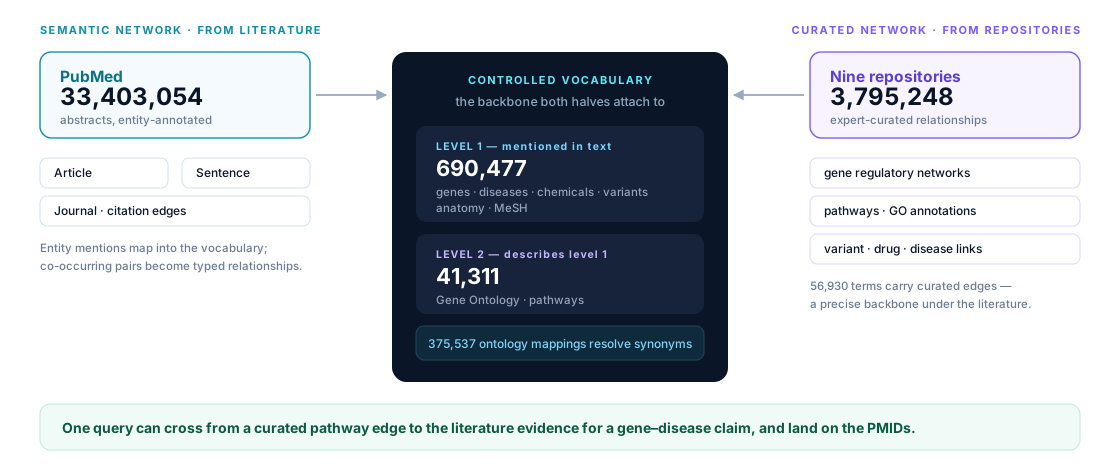
3) What the GLKB knowledge graph shows (structured vs. literature co-mention)
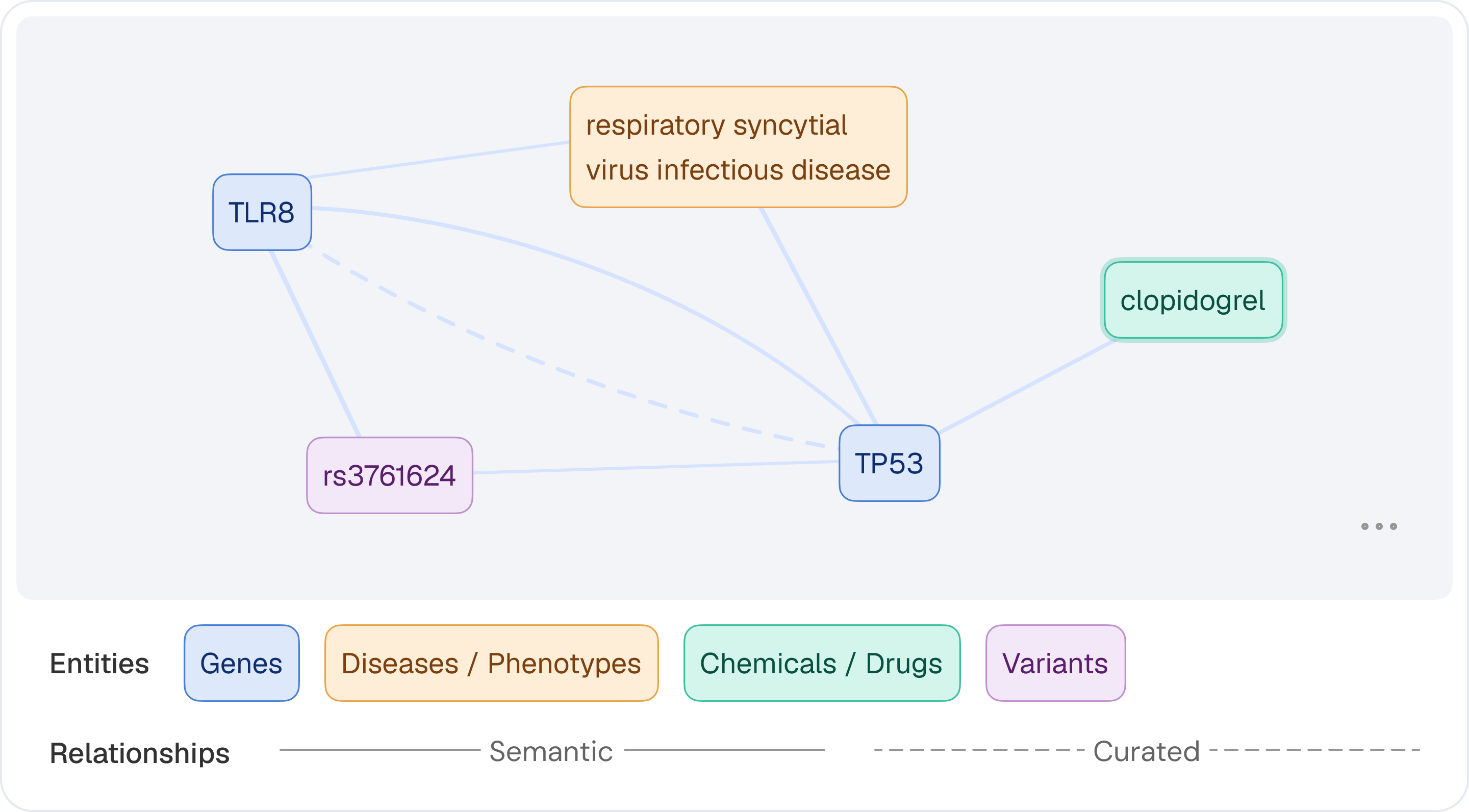
In GLKB, there is no curated GeneToDiseaseAssociation edge recorded between DYRK1A and T2D (i.e., not a genetics/causal association entry in the KG for this pair).
But DYRK1A and “Diabetes Mellitus, Type 2” co-occur in the literature with 14 articles captured as co-mentions (GLKB Cooccur edge; source PubMed).
4) Therapeutic implications and main open challenges
Most mature concept: DYRK1A inhibition as a β-cell regenerative strategy (alone or in combinations).
Key translational challenges repeatedly implied by the experimental literature:
Achieving β-cell specificity (DYRK1A is broadly expressed; systemic inhibition raises off-target risk).
Ensuring durable function and avoiding unwanted proliferation/dedifferentiation (some studies explicitly test for preserved β-cell differentiated function in combinations).
Moving from short-term in vivo models (often islet transplant systems) to longer-term safety/efficacy studies.ng additional inhibitor series and any emerging early clinical programs, if present).